Medical & Personal Items Repair Kits:
Fix What Matters Most
Tackle repairs for dentures, eyeglasses, and more at home. DIY solutions are handy for minor fixes, but know your limits!
Safety & Risk Assessment
Repairing medical and personal items often carries low risks, but it's wise to be aware of potential issues. Each kit targets specific problems, and understanding these can help you choose wisely.
Low-Risk Fixes
- Replacing screws on eyeglasses
- Reattaching loose dental pieces
- Applying a soft liner for dentures
- Using polish to clear minor scratches
- Tightening frames without tools
- Using adhesive for temporary fixes
Moderate Risks
- Incorrectly fitting denture relines
- Using too much adhesive on dentures
- Over-polishing eyeglass lenses
- Trying to fix complex frame designs
- Not following instructions precisely
- Potential for temporary fixes to fail
High-Risk Errors
- Using incompatible materials for repairs
- Ignoring allergic reactions to adhesives
- Attempting extensive fixes without experience
- Forgetting to clean surfaces before applying
- Neglecting to check for loose parts regularly
- Relying solely on DIY fixes for critical items
Browse Medical & Personal Items Repair Kits
Keep your essentials in top shape with our selection of medical and personal item repair kits. From dentures to eyeglasses, we've got you covered with expert-rated choices for quick fixes.
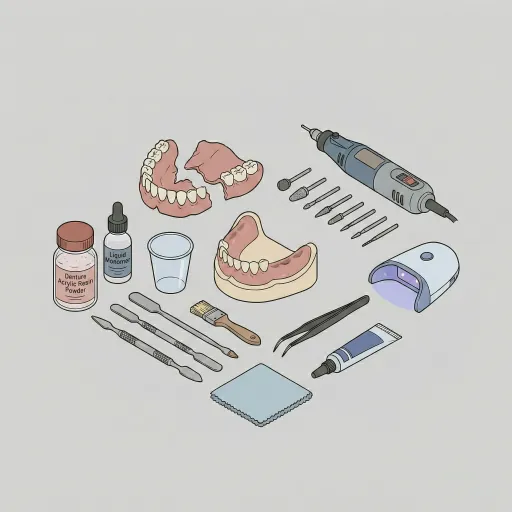
Denture Repair Kits
Handle dental emergencies with the best denture repair kits of 2026. Compare FDA-compliant kits for fixing cracks and loose teeth at home.
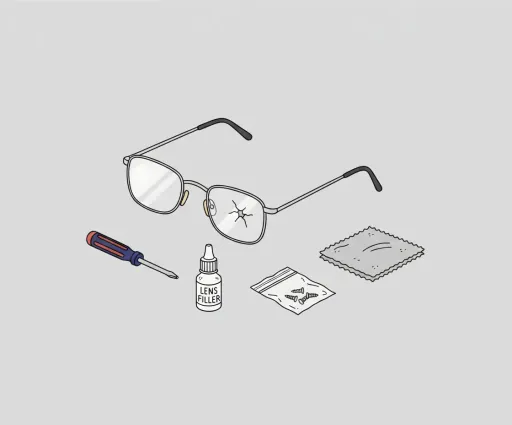
Eyeglass Repair Kits
Fix loose frames and missing screws with the top eyeglass repair kits of 2026. Explore precision tools that work for all frame styles and sizes.
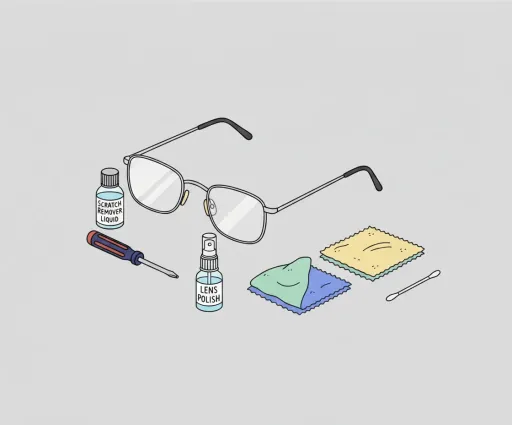
Eyeglass Scratch Repair Kits
Improve visibility with the leading eyeglass scratch repair kits of 2026. Compare polishing compounds and protective coatings suitable for all lens materials.
Stop: When DIY is Not an Option
When it comes to medical and personal repairs, knowing when to tackle a fix yourself can save time and money. But, some situations warrant professional help. Here’s what experts suggest.
Expert Consensus
DIY repairs are great for minor fixes, but don't risk your health or safety on complex issues. If you're uncertain, consulting a professional is always wise.
When to DIY
- Minor Breaks: Small cracks or loose parts can often be fixed with a repair kit. If the damage is superficial, a DIY approach usually suffices.
- Temporary Solutions: Need a quick fix? Kits like denture and eyeglass repair ones can provide temporary relief until you visit a professional.
- Comfort Adjustments: If your dentures or glasses feel uncomfortable, relining or adjusting them at home can enhance your comfort without hassle.
When Not to DIY
- Severe Damage: If your dentures are severely cracked or your glasses are beyond simple repairs, it's best to seek professional assistance.
- Health Risks: Should there be any risk to your health—like infections or injuries—don't hesitate to consult a healthcare provider.
- Complex Repairs: For intricate repairs that require specialized tools or materials, leave it to the experts to avoid further complications.
Expectation Benchmark
When choosing a repair kit, it's vital to set realistic expectations. Here's what you can anticipate regarding cost, time, and durability.
DIY kits typically cost between $10 and $50. In contrast, hiring a professional can start at $100, meaning you save significantly by opting for a kit.
Most repairs can be completed in about 30 to 60 minutes, depending on the complexity. Quick fixes allow you to get back to your routine without much delay.
Repairs from these kits can last anywhere from 1 to 3 years. While not as permanent as professional solutions, they're often sufficient for everyday use.
Category FAQ
What types of repair kits are available for medical and personal items?
You can find denture repair kits, eyeglass repair kits, and eyeglass scratch repair kits. Each category offers unique solutions for different needs.
How do denture repair kits work?
Denture repair kits typically include materials to bond broken pieces or create a cushioning liner. They provide quick fixes for loose teeth or cracks, making them handy for emergencies.
Are eyeglass repair kits easy to use?
Yes, eyeglass repair kits are designed for simplicity. Most kits come with straightforward instructions and essential tools, allowing you to tackle small repairs without fuss.
Can I use scratch repair kits on other plastic surfaces?
Absolutely! Many eyeglass scratch repair kits work wonders on various plastic surfaces, like headlights or acrylic. Just check the product details for compatibility.
What's the best way to store these repair kits?
Keep your repair kits in a cool, dry place. A small pouch or drawer works well. This way, you'll have easy access when unexpected repairs arise.
Are these kits safe for personal use?
Yes, most repair kits are designed with safety in mind. Always follow the instructions carefully to ensure proper application and minimize any risks.