Furniture & Upholstery Repair Kits:
Revive Your Furniture Today!
From leather to fabric, tackle those pesky scratches and tears with ease. DIY repairs are a smart choice when you want to save time and money on your beloved pieces.
Safety & Risk Assessment
Repairing furniture and upholstery can be straightforward. However, you'll want to assess the risks associated with different kits. Here's a breakdown to guide your decisions.
Low-Risk Repairs
- Fixing minor scratches on leather
- Sealing small tears in upholstery
- Repairing scuff marks on vinyl
- Mending frayed edges on fabric
- Applying color restorer on faded leather
- Using peel-and-stick patches for quick fixes
Moderate-Risk Repairs
- Repairing large holes in leather with heat tools
- Mixing color compounds for precise matches
- Applying strong adhesives on high-use areas
- Using large patches on visible furniture surfaces
- Restitching seams in heavy fabrics
- Fixing burns or deep cuts in upholstery
High-Risk Repairs
- Attempting complex color matching without experience
- Using heat tools improperly on delicate materials
- Repairing structural damage to furniture
- Ignoring cleaning instructions before application
- Forgetting to test adhesives on a small area first
- Mixing incompatible repair compounds
Browse Furniture & Upholstery Repair Kits
Revitalize your furniture and upholstery with our top-rated repair kits. Whether you're tackling leather, vinyl, or fabric, we’ve got options that cater to every need. Let’s explore the best solutions for restoring your favorite pieces.
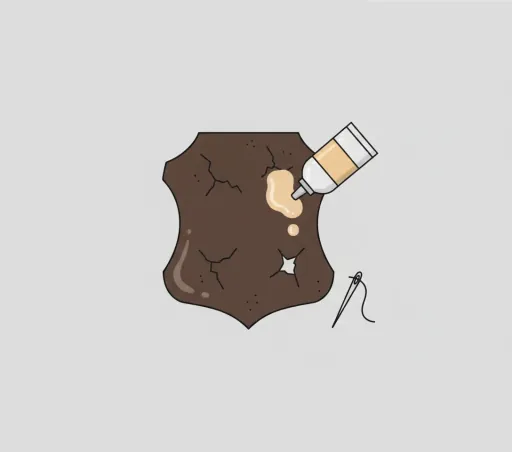
Leather Repair Kits
Discover versatile leather repair kits designed to fix scratches, cracks, and more. Achieve seamless results with color-matching compounds and easy-to-use tools.

Leather Car Seat Repair Kits
Restore your car's interior effortlessly with specialized kits for leather seats. Tackle tears and cracks with professional-grade adhesives and heat-fusion techniques.
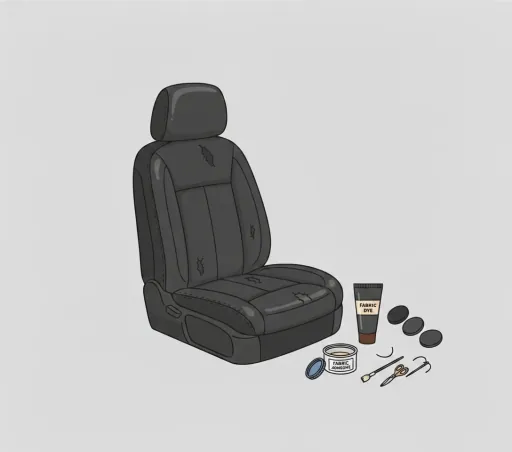
Cloth Car Seat Repair Kits
Mend fabric upholstery and carpets with our cloth repair kits. These kits offer strong adhesion and color-matching options for a flawless finish.
Stop: When DIY is Not an Option
Repairing furniture and upholstery can be rewarding, but it’s not always a DIY task. Know when to call in the pros. Some situations demand expertise, and ignoring this can lead to bigger headaches.
Expert Consensus
Experts agree that while many repairs are manageable, certain circumstances require professional intervention. Don’t hesitate to seek help when the damage is extensive or complex.
When to Call a Professional
- Extensive Damage: If the damage spans a large area or involves structural issues, it's best to consult a professional. A quick fix might not suffice.
- Material Complexity: Some fabrics or leathers require specialized knowledge for repair. If you're unsure about the material, seek expertise.
- Inadequate Tools: If you lack the necessary tools or skills for effective repair, don’t risk it. Professionals have the right equipment to ensure quality results.
Signs You Should Avoid DIY
- Severe Rips: Large tears or gaping holes often need advanced techniques. DIY may only worsen the appearance.
- Color Matching Issues: If matching colors and textures feels overwhelming, a professional can achieve a flawless finish that DIY kits might not provide.
- Time Constraints: If you're short on time, don’t stress yourself with a complex repair. Professionals can expedite the process and save you hassle.
Expectation Benchmark
Wondering what to expect when tackling repairs with these kits? Here’s a quick rundown of costs, time, and durability to help you make informed decisions.
DIY kits generally range from $10 to $50, while hiring a pro can cost over $100. So, you could save a pretty penny by going the DIY route.
Most repairs take about 30 to 60 minutes, depending on the complexity. Quick fixes can be done in a flash, while detailed restorations might stretch your time a bit.
Repairs typically last between 1 to 3 years, depending on usage and care. While a good DIY job can hold up nicely, remember that wear and tear will eventually take its toll.
Category FAQ
What types of materials can these repair kits fix?
These kits are designed to mend leather, vinyl, and fabric surfaces, making them perfect for upholstery, car seats, and various accessories.
How difficult is it to use furniture and upholstery repair kits?
The complexity varies by kit. Some, like self-adhesive patches, are very easy to use, while others may require mixing compounds or heat tools for more permanent fixes.
Can I use these kits on automotive interiors?
Absolutely! Many kits are specifically tailored for car seats and dashboards, ensuring you can tackle those unsightly tears and cracks effectively.
Are the repairs durable?
Yes, most kits provide long-lasting repairs. Many users report excellent results, especially with heat-activated compounds that create a strong bond.
Do I need to clean the surface before applying the repair kit?
Yes, cleaning the area before application often leads to better results. It helps the adhesive or repair compound bond more effectively.
Where can I find more information on specific repair kits?
For detailed comparisons, check our linked pages that focus on leather, leather car seat, and cloth car seat repair kits.