Clothing & Textile Repair Kits:
Mend with Confidence!
Discover the essentials for fixing zippers and threads. DIY repairs can save your favorite garments and gear when you're in a pinch.
Safety & Risk Assessment
Understanding the risk levels associated with clothing and textile repair kits can help you make informed choices. Whether you're dealing with zippers or threads, knowing potential issues is key to successful repairs.
Low Risk Problems
- Zipper pulls that don't engage properly
- Minor fabric fraying on seams
- Loose thread ends after stitching
- Small punctures in fabric without stress
- Broken zipper sliders that can be replaced easily
- Lightweight fabric tears that are easily patched
Moderate Risk Problems
- Stripped threads in soft metals
- Zipper teeth misalignment causing jamming
- Heavy fabric tears needing reinforcement
- Frequent zipper failures under stress
- Damaged threads in high-tension areas
- Multiple repairs required on a single garment
High Risk Problems
- Severe fabric damage compromising integrity
- Structural failure in outdoor gear zippers
- Damaged threads affecting critical components
- Zippers that completely detach from fabric
- Repeated failures in repaired items
- Threads stripped from load-bearing bolts
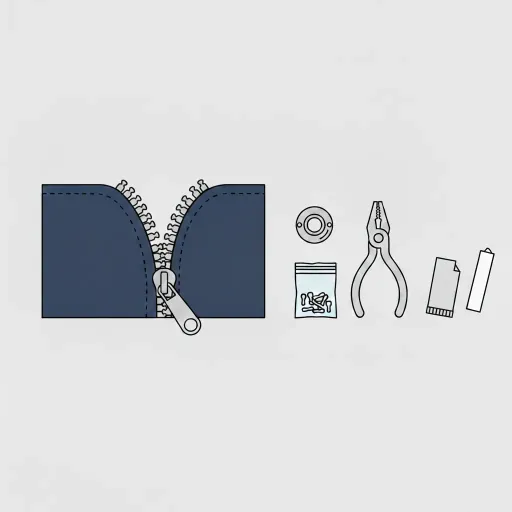
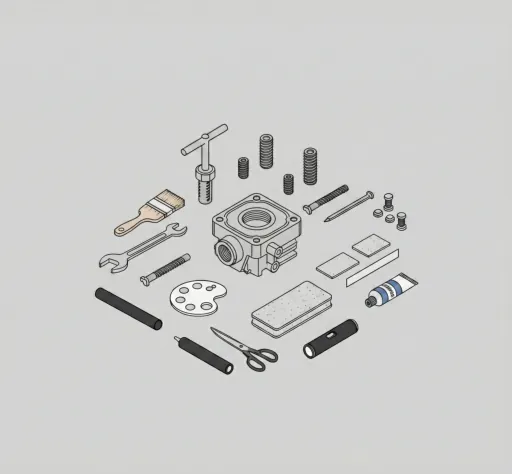
Browse Clothing & Textile Repair Kits
Mending made easy. Explore our curated selection of clothing and textile repair kits for 2026. Whether you're fixing zippers or repairing threads, we've got you covered with expert recommendations.
Stop: When DIY is Not an Option
Repairing clothing and textiles can save you time and money. But sometimes, it's wise to know when to call in the experts. Here’s what you should consider before tackling repairs yourself.
Expert Consensus
Experts agree: certain situations call for professional help. If you're unsure about the repair, weigh your options carefully.
When to Seek Help
- Complex Damage: If the damage is extensive, like multiple broken zippers or large fabric tears, it’s better to consult a tailor.
- Specialized Fabrics: Delicate fabrics, such as silk or leather, often require specialized techniques and tools. Don't risk ruining them.
- Time Constraints: When you're pressed for time, a professional can often resolve issues faster than a DIY approach, saving you stress.
Signs of Trouble
- Uncertain Skills: If you lack confidence in your sewing or repair skills, it’s wise to avoid the risk of making things worse.
- Missing Tools: If you find yourself lacking essential tools or materials, consider getting professional assistance instead.
- Repeated Issues: If you’ve tried fixing the same problem multiple times without success, it might be time to get expert help.
Expectation Benchmark
When considering a clothing and textile repair kit, it’s essential to set realistic expectations. Here’s what you can anticipate regarding cost, time, and durability.
DIY kits typically range from $15 to $50, while hiring a pro could cost you over $100. Choosing a kit saves you a hearty chunk of change.
Most repairs require about 30 to 60 minutes. Depending on the complexity, you might find yourself mending in a jiffy or taking a bit longer to ensure perfection.
Repairs can last anywhere from 1 to 3 years, contingent upon usage and care. A well-done fix can stand the test of time, keeping your items functional longer.
Category FAQ
What types of repair kits are available in the clothing and textile category?
You can find zipper repair kits and thread repair kits. Each serves a unique purpose, from fixing broken zippers to restoring damaged threads.
How do zipper repair kits work?
Zipper repair kits often include sliders and tools. They allow you to replace broken zipper components without sewing, making the repair quick and easy.
What should I consider when choosing a thread repair kit?
Consider the thread size you need to repair. Also, look for kits that include various inserts and tools to ensure compatibility with your specific repair tasks.
Are these kits suitable for beginners?
Absolutely! Most kits are designed for ease of use. Even if you're not a pro, you'll find straightforward instructions that make repairs manageable.
Can I use these kits on heavy-duty materials?
Yes, many kits cater to heavy-duty applications. Just check the specifications to ensure they match your material type and repair needs.