Arts & Craft Repair Kits:
Craft Your Comeback!
Restore your beloved pottery and crafts with ease. DIY repairs are safe and rewarding when you have the right tools at hand.
Safety & Risk Assessment
Repairing ceramics can be a rewarding endeavor, but it comes with its own set of risks. Understanding these can help you choose the right kit and approach your project with confidence. Here's a breakdown of potential issues you might encounter.
Safe
- Using food-safe epoxy for tableware
- Following instructions carefully
- Ensuring proper mixing of resins
- Storing materials away from children
- Working in a well-ventilated area
- Keeping surfaces clean before application
Caution
- Mixing different epoxy brands
- Applying too much pressure during assembly
- Not allowing sufficient curing time
- Using non-food-safe materials
- Ignoring safety gear like gloves
- Choosing colors that clash with the original item
Warning
- Using toxic materials or chemicals
- Neglecting to read safety labels
- Attempting repairs on valuable antiques
- Overheating during the curing process
- Improper disposal of leftover materials
- Not testing on a small area first
Browse Arts & Craft Repair Kits
Explore our curated selection of Kintsugi repair kits. Each option offers a unique approach to restore your cherished ceramics with elegance. Whether you’re a novice or a seasoned artisan, there’s a kit for you.
Stop: When DIY is Not an Option
Repairing your beloved ceramics can be rewarding, but not all projects are meant for the DIY enthusiast. Recognizing when to seek professional help is essential for preserving the integrity of your items.
Expert Consensus
Experts agree that while many repairs can be tackled at home, some situations warrant professional intervention. When in doubt, consider the complexity and value of the piece before proceeding.
When to Call a Pro
- High Value: If the item holds significant monetary or sentimental value, a professional can restore it without risking further damage.
- Complex Damage: Intricate breaks or missing pieces might require the finesse of an expert to achieve a seamless finish.
- Special Techniques: Some repairs demand specialized skills or materials that might not be available in a standard DIY kit.
Signs You Shouldn't DIY
- Unfamiliar Materials: If you're unsure about the materials used in your piece, it's safer to consult a professional.
- Time Constraints: Repairs often take longer than expected. If you're pressed for time, consider outsourcing the task.
- Lack of Confidence: If you're feeling uncertain about your skills, it's better to leave it to someone experienced.
Expectation Benchmark
When tackling arts and crafts repairs, especially with kintsugi kits, you'll want to set realistic expectations. Here's what you should know about costs, time, and durability.
DIY kits range from $20 to $50, making them budget-friendly compared to hiring a professional, which can easily start at $100. You could save quite a bit by going the DIY route.
Most repairs take about 30 to 60 minutes, depending on your skill level and the complexity of the project. It's a manageable time commitment for most crafters.
Repairs can last anywhere from 1 to 3 years, depending on the materials used and care taken. With proper handling, your repaired items can stand the test of time.
Category FAQ
What is Kintsugi?
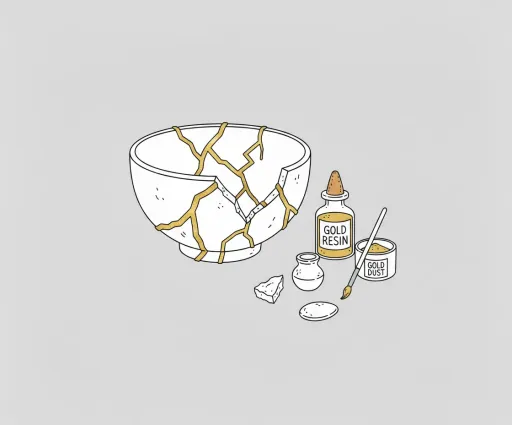
Kintsugi is a Japanese art form that repairs broken pottery using lacquer mixed with powdered gold, silver, or platinum. Instead of hiding the cracks, it highlights them, turning flaws into beauty.
Are Kintsugi repair kits food safe?
Many Kintsugi kits advertise food safety, but it's vital to verify the label. Kits like the iienjoy Kintsugi Repair Kit and KIVANU Authentic Kintsugi Repair Kit are designed for food-safe applications once properly cured.
Can beginners use Kintsugi repair kits?
Absolutely! Kits like the iienjoy Kintsugi Repair Kit are beginner-friendly, featuring easy-to-follow instructions. They're perfect for those diving into the world of ceramic restoration without prior experience.
What materials do Kintsugi kits typically include?
Kintsugi kits often contain epoxy resins, metallic powders, applicator brushes, mixing tools, and detailed instructions. Some premium kits, like the Traditional Kintsugi Repair Kit, include authentic materials for a more traditional finish.
How long does the repair process take?
The repair time can vary. Generally, it takes a few hours to apply the materials, followed by a curing period that ranges from several hours to days, depending on the kit's specific instructions.